What are we doing for our common home?

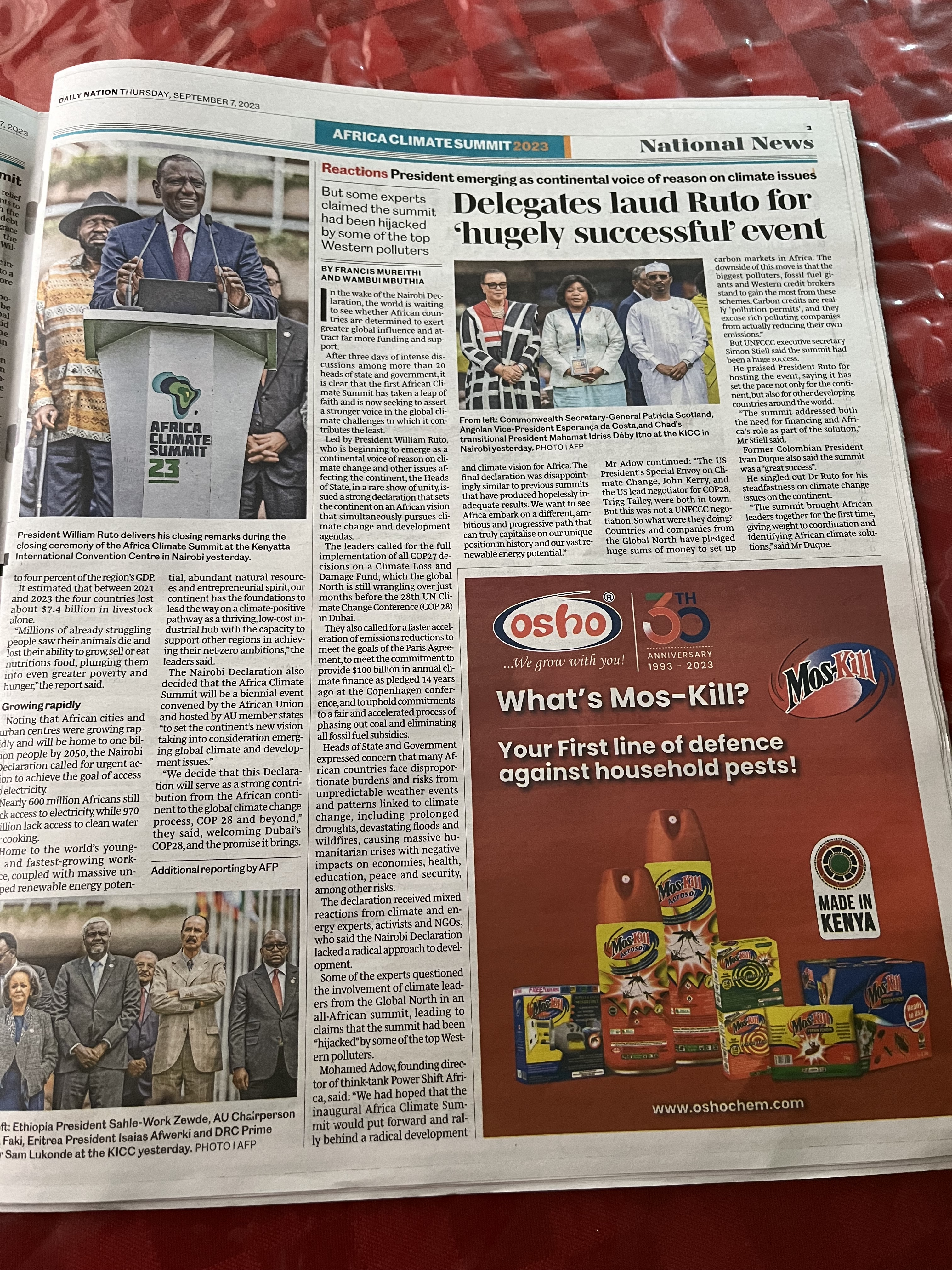
When I first arrived in Nairobi in early September, the three-day Africa Climate Summit was underway. African leaders, along with United Nations Secretary General Antonio Guterres and United States Climate Envoy John Kerry, gathered to discuss the regional reality of climate change in advance of the Conference of the Parties on Climate Change (COP) 28 meeting taking place in Dubai in late November. At the end of the three days, the delegates issued The Nairobi Declaration, a series of actions and commitments to address climate change. Climate funding was the ever-present issue. On-going funding of hundreds of billions of dollars is needed for African states to undertake the necessary investments in renewable energy, adaptation and mitigation efforts. In addition, leaders called for a review of the debt terms of African nations, including a 10-year relief. 

Throughout my month visiting our communities in Kenya and Tanzania, I was struck by the reality that these nations still lack access to basic reliable infrastructure in terms of roads, electricity, and potable water. I have deep admiration for our Sisters who live and work – giving themselves fully – in conditions where they experience power cuts, inaccessible roads during rainy seasons, and where they must expend energy I had never before considered in order to drink a glass of safe drinking water. Their day-to-day living is much harder than I realized. This is their reality. It is a reality I do not experience in Toronto, and I take for granted the ease of my daily life. 

Daily Nation article acknowledged that 600 million Africans lack access to electricity and 970 million lack access to clean water for drinking and cooking. With this reality in mind, I can’t help but think of the work I do in relation to the UN Sustainable Development Goals and the Laudato Si Action Platform, and I am forced to reflect on the burden placed on developing countries in response to the climate crisis. A burden that we who live in developed countries are hesitant to undertake if it means we experience discomfort or inconvenience. 


On October 4th Pope Francis released the apostolic exhortation Laudate Deum on the topic of the climate crisis. Written in follow up to his 2015 encyclical Laudato Si on care for our common home, Laudate Deum is a powerful call to action for world leaders and for each member of the human family. 

Pope Francis critiques efforts to date on climate change. Rather than emission reductions, we are seeing increases. He writes “Yet, with the passage of time, I have realized that our responses have not been adequate, while the world in which we live is collapsing and may be nearing the breaking point.” (2) 

He rebukes those who deny the reality of climate change, those who “would place responsibility on the poor, since they have many children, and even attempted to resolve the problem by mutilating women in less developed countries.” He states, “As usual, it would seem that everything is the fault of the poor. Yet the reality is that a low, richer percentage of the planet contaminates more than the poorest 50% of the total world population, and that per capita emissions of the richer countries are much greater than those of the poorer ones. How can we forget that Africa, home to more than half of the world’s poorest people, is responsible for a minimal portion of historic emissions?” (9) Further on, he reminds us that “everything is connected” and “no one is saved alone.” (19)

If we are not saved alone, then what can we do together? He argues that in order to move from words to action, we need to reflect on human power, its meaning and the limits we place on it. (28) We need to rethink our processes of multilateralism so that they are effective. He refers to the impact of the principle of subsidiarity within multilateral processes – i.e. the impact of NGO movements that can achieve what the United Nations struggles to do – for example, the Ottawa Process to ban the use, production, and manufacture of antipersonnel landmines) (37).

Prophetically, he speaks to world leaders attending COP 28. He calls for that gathering to be relevant and accountable. By focusing on measures such as adaptation, he states that “we risk remaining trapped in the mindset of pasting and papering over cracks, while beneath the surface there is a continuing deterioration to which we continue to contribute. To suppose that all problems in the future will be able to be solved by new technical interventions is a form of homicidal pragmatism, like pushing a snowball down a hill.” (57) He calls for binding forms of energy transition that are efficient, obligatory, and readily monitored. (59)

Pope Francis will make an appearance at COP 28 and deliver an address to world leaders. I am sure his presence will both challenge and inspire. There is still reason to hope that much can be done to address climate change, and address it ways that are just and equitable. Each of us must take seriously the call to action to care for our common home, for ourselves and for our children and their children. Let us all pray for meaningful conversations and real commitment and action in Dubai and in the days and months that follow. 
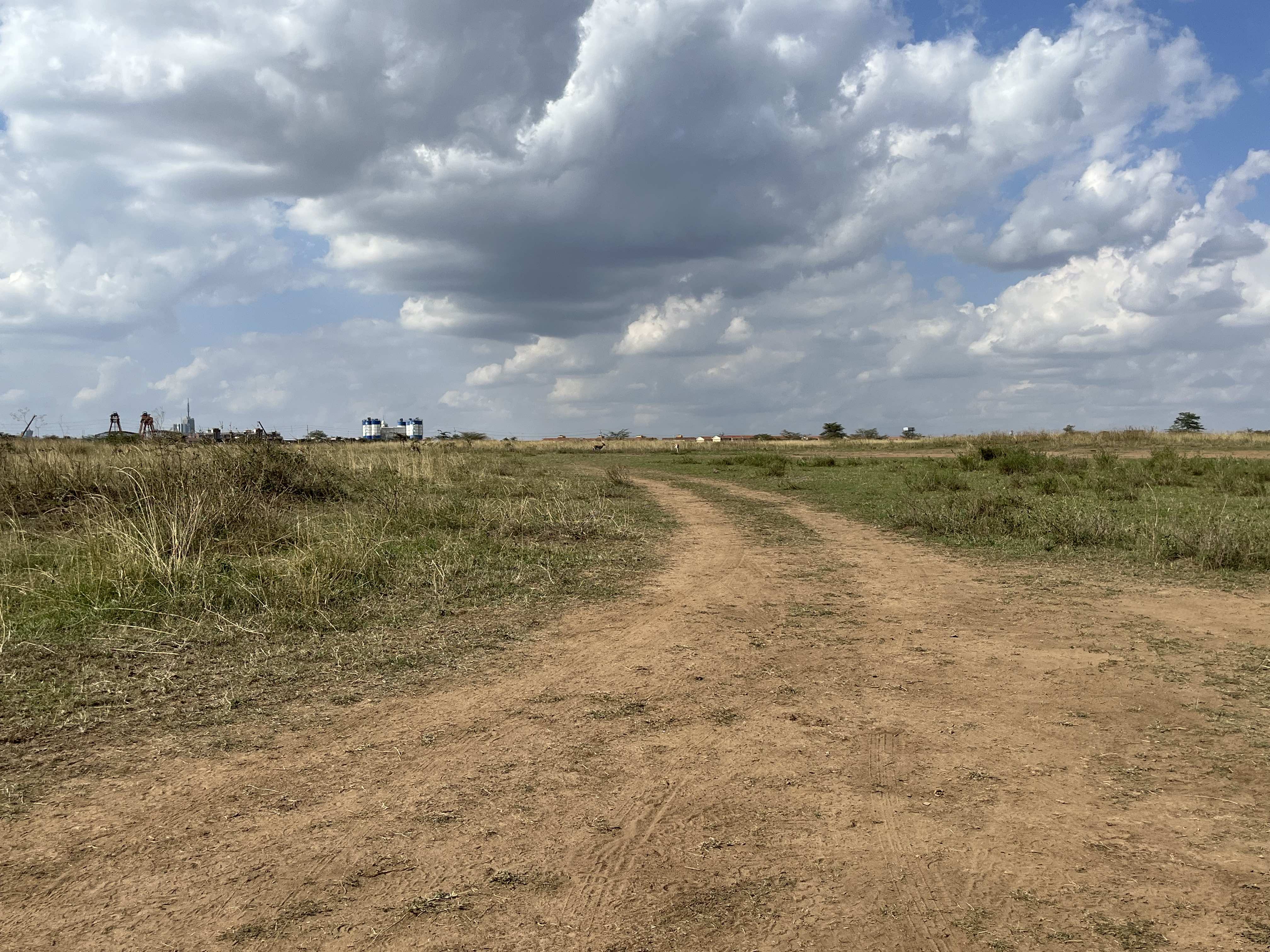
The Crossing Place

Trasna

The pilgrims paused on the ancient stones 
In the mountain gap. 

Behind them stretched the roadway they had travelled . 
Ahead, mist hid the track. 

Unspoken the question hovered: 
Why go on? Is life not short enough? 

Why seek to pierce its mystery? 
Why venture further on strange paths, risking all? 

Surely that is a gamble for fools – or lovers. 
Why not return quietly to the known road? 

Why be a pilgrim still? 
A voice they knew called to them, saying: 

This is Trasna, the crossing place. 
Choose! Go back if you must, 

You will find your way easily by yesterday’s fires, 
there may be life in the embers yet. 

If that is not your deep desire, 
Stand still. Lay down your load. 

Take your life firmly in your two hands, 
(Gently… you are trusted with something precious) 

While you search your heart’s yearnings: 
What am I seeking? What is my quest? 

When your star rises deep within, 
Trust yourself to its leading. 

You will have the light for first steps. 
This is Trasna, the crossing place. 
Choose! 
This is Trasna, the crossing place 
Come !

Sr. Raphael Considine, PBVM

Nairobi National Park

*****

I have recently returned from a month-long trip to the Loreto Eastern Africa Province. I visited several Loreto communities in Kenya – in and around Nairobi and Mombasa – and in Mwanza, Tanzania.

The trip formed part of my time of preparation before making final vows as a Loretto Sister, becoming a full member in the Institute of the Blessed Virgin Mary. My time in Eastern Africa was incredible enriching – a chance to get to know a new community of Sisters, new countries, culture, language, and food. A chance to discover how the Mary Ward spirituality, charism, and mission are lived out in a different part of the world. A chance to discover myself at home, belonging to our wider international Mary Ward Family.

Over the next while, I will take some time to unpack my visit to Eastern Africa as I continue preparations back home in Toronto toward making final vows in December. I have many photos and stories to share.

But for now, I wish to begin with a poem that was shared during one of the inputs I participated in with three other temporary professed Sisters preparing for vows – Eunice, Jackie, and Patricia – my set mates. The poem, Trasna, shared above, evokes a sense of journey. An outward journey to new lands, perhaps, and an inward journey of openness to the invitation to move forward into places unknown.

Why venture further on strange paths, risking all? 

Indeed, the path I have taken for the past 9 years of initial formation has seemed a strange one at times. It has felt like a big risk, and, to be honest, continues to feel like a big risk. There are many unknowns and my first hopes and desires for religious life back in 2014 have changed dramatically through learning, heartbreak, faith, and resilience, transformed by God’s grace now in 2023.

The path beckons. This is the crossing place.

Opening Up

I am waaaaaay overdue for a proper blog post but I’m just not ready yet to write anything particularly reflective. As I’m sure has been the case for most people, my focus for the past few months has been survival. Coping with the never-ending lockdown in Toronto, finishing up my studies, and basically just trying to keep it all together.

Now, mercifully, it seems like life is entering a new stage. The city is slowly beginning to open up as the third wave of the pandemic subsides. I’ve completed my theology studies and am now preparing to begin full-time ministry as the next phase of my formation as a Loretto Sister. There is much that I could write about each of these things but just not yet.

So…instead…I offer photos.    

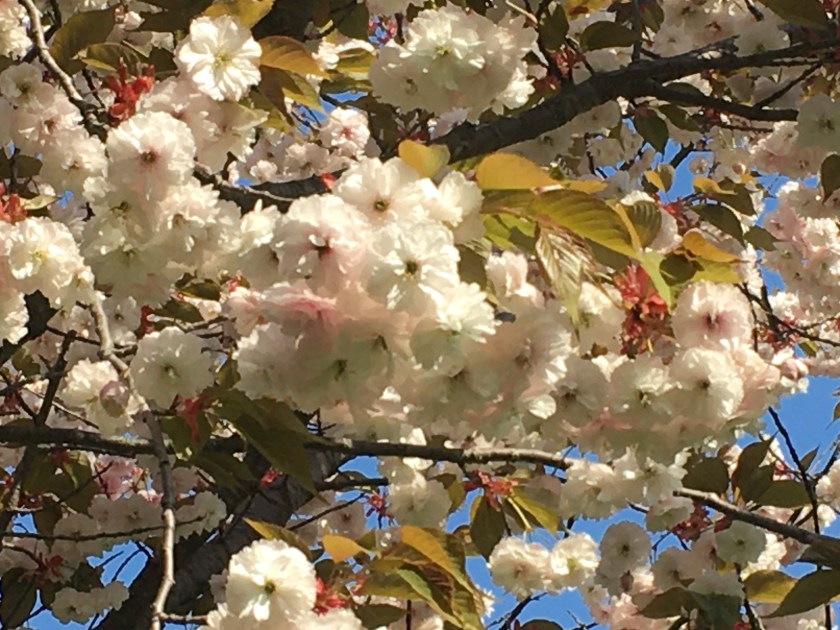
High Park in the spring.

A place of refuge this past year and beautiful in any season. When I walk here each day, there is always something different to see. The landscape reveals itself in spontaneous and mysterious ways.

Sakura cherry blossoms! Blockades were set up this year to prevent crowds from gathering, but after the peak of the blossom I could get up close.

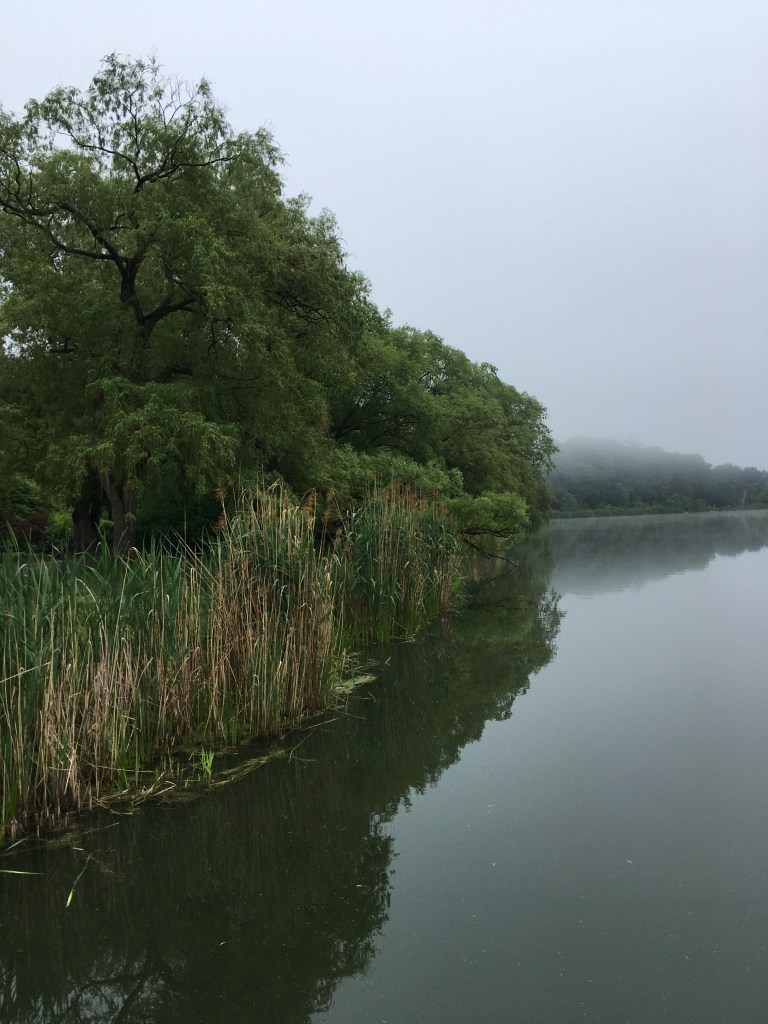
Some mornings the water is almost perfectly still. I am often tempted to just step out on to the water’s surface and see if I can make my way across the pond.

The mist was incredible this morning. It danced along the wind.

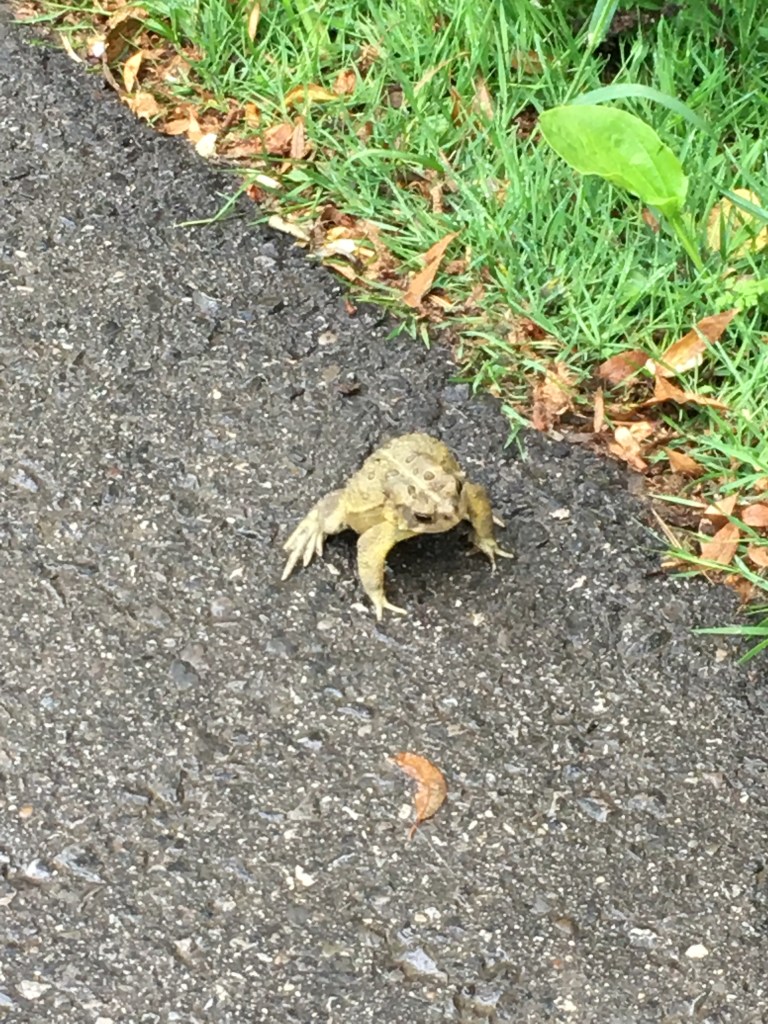
And, of course, each walk through the park offers the opportunity to make a new friend.

Mary Ward Week 2021

Here we are at the beginning of Mary Ward Week 2021! Today we celebrate the birth day of Mary Ward, foundress of the Congregation of Jesus and the Institute of the Blessed Virgin Mary. This is a very happy day and this year we have so much to celebrate as we contemplate union between our two branches.

To begin this week well, I am sharing our reflection booklet and the YouTube video of the Mass from Loretto Abbey chapel in Toronto, celebrated for Mary Ward. Please join us in prayer.

And our prayer for this week:

O God, you gifted our founder Mary Ward with vision and courage.
Support all those whose vision and gifts further the work
of bringing this world to fullness of life
especially in their times of trial.

Give us courage to work for the coming of your reign in our hearts.
Knowing the work we do is yours to accomplish,
let us never be discouraged.

We thank you for all those who have gone before us
and who have persevered in spite of difficulties and adversity.
We ask them to intercede for us.

Grant this through Jesus
who is our way, our truth, and our life.
Amen.


Mary Ward, pray for us and give us your spirit!

A New Year calls

I went for a long walk in High Park this morning to contemplate the year that has been, to just be present in the fading moments of 2020. I’ve read lots of posts on social media about saying good riddance to 2020, and lots of ways to ‘exorcise’ this unexpected and difficult year from our lives. But as I reflect back on each month of this year, I discover nothing to be rid of. I find so much to be grateful for, so much that caused suffering and disappointment, so much that was lacking in myself and the world around me, and so much that was right in myself and the world around me. Despite the difficulty of it all as a whole, I don’t want to be rid of any moment of this year because these are the moments that make me ‘me’ and you ‘you.’ These moments are what make us who we are.

There has been a lot to carry (and I’ve been a lot for others to carry!) in 2020, and no doubt there is still more carrying (and being carried) to come in 2021. I don’t want to end this year on a note that says “Get lost!” but rather, “It’s now time for you to go, thank you for your troubles and your gifts.”

And so, in my heart all day I have been saying my own farewell. And tonight, in our community, we will end the year with prayer and celebration. I end this post and this year (of relatively few blog posts) with a song we will sing tonight from Kate Rusby, whose music has been a faithful companion to me throughout the pandemic and no doubt, into the New Year.

May God bless us, keep us, and be love in us in 2021.

Addendum: this video was just posted on Facebook so check it out.

This Overflow

Tonight feels like the eve of a new season.

Not a season of nature – it’s not autumn yet – but a new season of discovery. I begin my final year of theology studies tomorrow. I will be off and running until April.

After the unusual spring and summer of covid-19, I am hoping this new season will bring with it a sense of stability (even as there are worries about a second wave). I cannot say normalcy because I don’t really want online learning to become normal. I already miss being together with my friends and classmates in person. Nevertheless, this new season, with all of its screen time, will bring a certain stability and routine, which I definitely appreciate.

What’s more, I begin this new season in a new space. A new community setting that is intercongregational, intercultural, and intergenerational. New and new and new. And also familiar, in a way. I love domestic life and I am grateful to be living again in a house where I can do domestic things like cooking, and cleaning, and even a bit of decorating.

We are blessed to live close to High Park and to the lakefront. Each day I go out for a walk along the water or among the trees, discover some new sight, and I feel restored and reconnected. Ready for whatever comes next.

And with this new season, I am turning again to poetry (after a spring and summer off) and I find Malcolm Guite (of course) says it so well and with such beauty, especially this excerpt from his poem Strange Surprise:

None of this need have happened, all of this,
These unexpected gifts, this overflow
Of things we know, and things we’ll never know,
None of this had to be, but here it is,
The here-and-now in all its strange surprise;
A space to be ourselves in, and a grace
That spins us round and turns us to the source
Whence all these gifts and graces still arise.

40 Years

A week ago, I celebrated my 40th birthday.

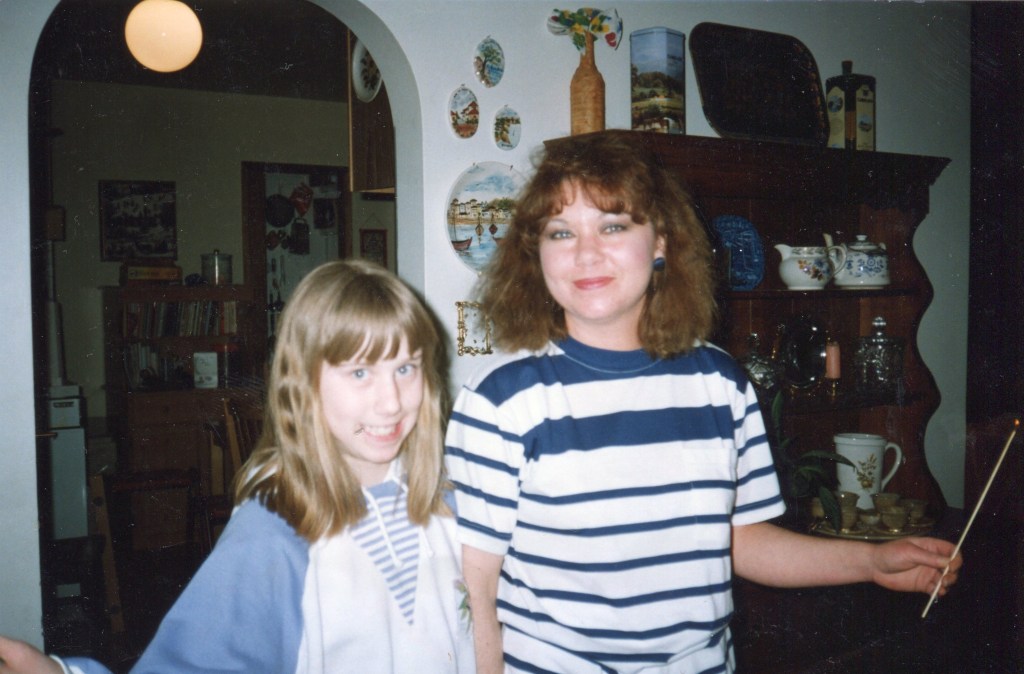
I remember when my mom turned 40. Her sisters arranged a special surprise – we woke up to find a flamboyance of 40 pink plastic flamingos roosting on our front lawn and a sign saying “Honk! Stephy’s turning 40!” to encourage all drivers passing by to pay homage. Her birthday party that evening was filled with “Over the Hill” decorations and gag gifts. I can’t recall if I gave her a pair of dentures or a cane.

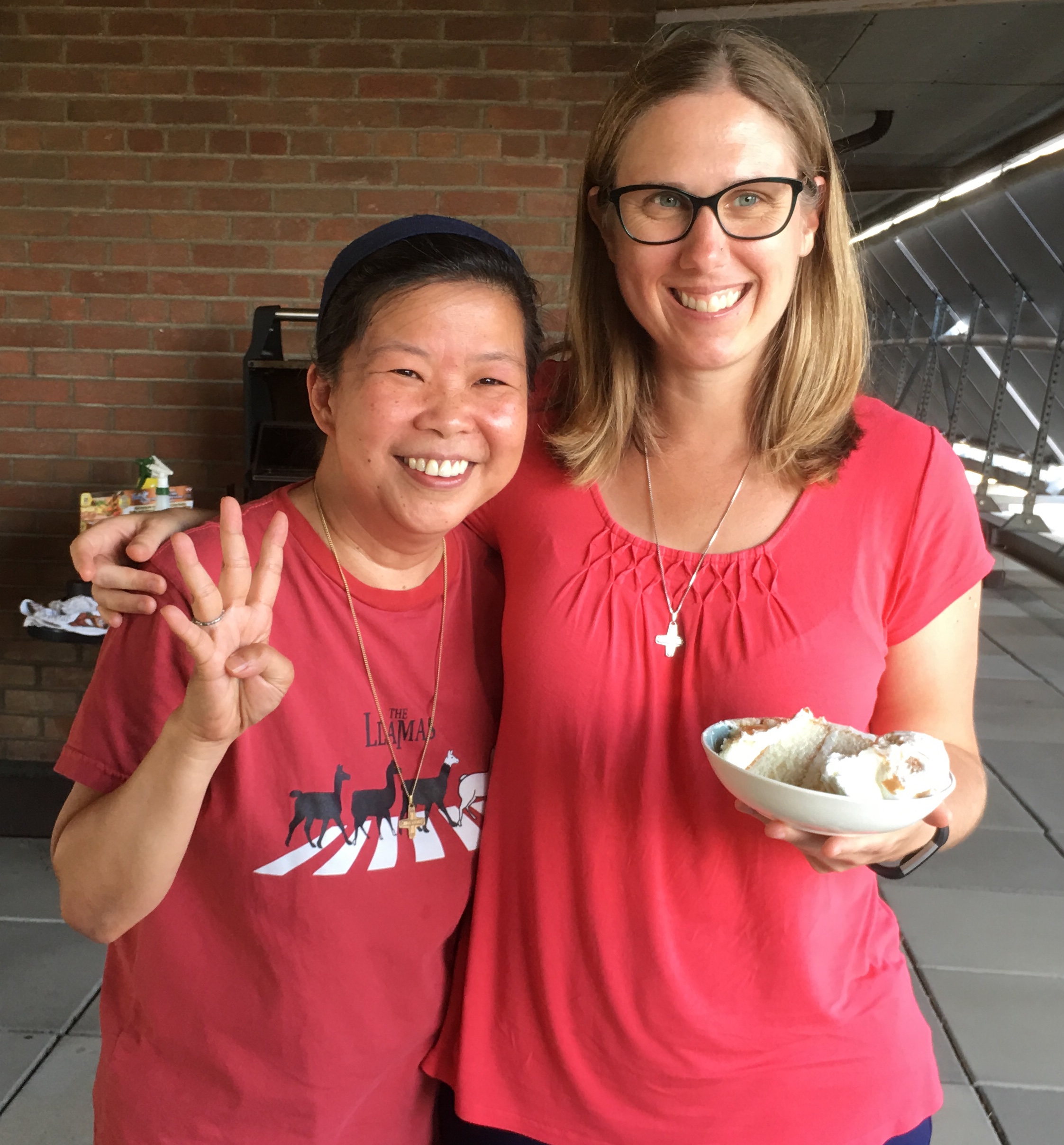
My own 40th birthday was not quite so outrageous. The pandemic put a bit of a damper on the celebration I had originally envisioned (a rooftop extravaganza) but it was still a day spent with family and friends (on the phone and online), and it was topped off with a barbecue in the evening with community and five very special guests (our first guests since the pandemic began!). Lots of food and conversation and laughter, and of course, cake.

While I have no qualms about turning 40, celebrating my birthday always reminds me that the summer is passing. It’s surprising how quickly this summer is moving along. March and April were painfully slow in passing but since then, time has sped up enormously. Thankfully, it has been filled with many good things.

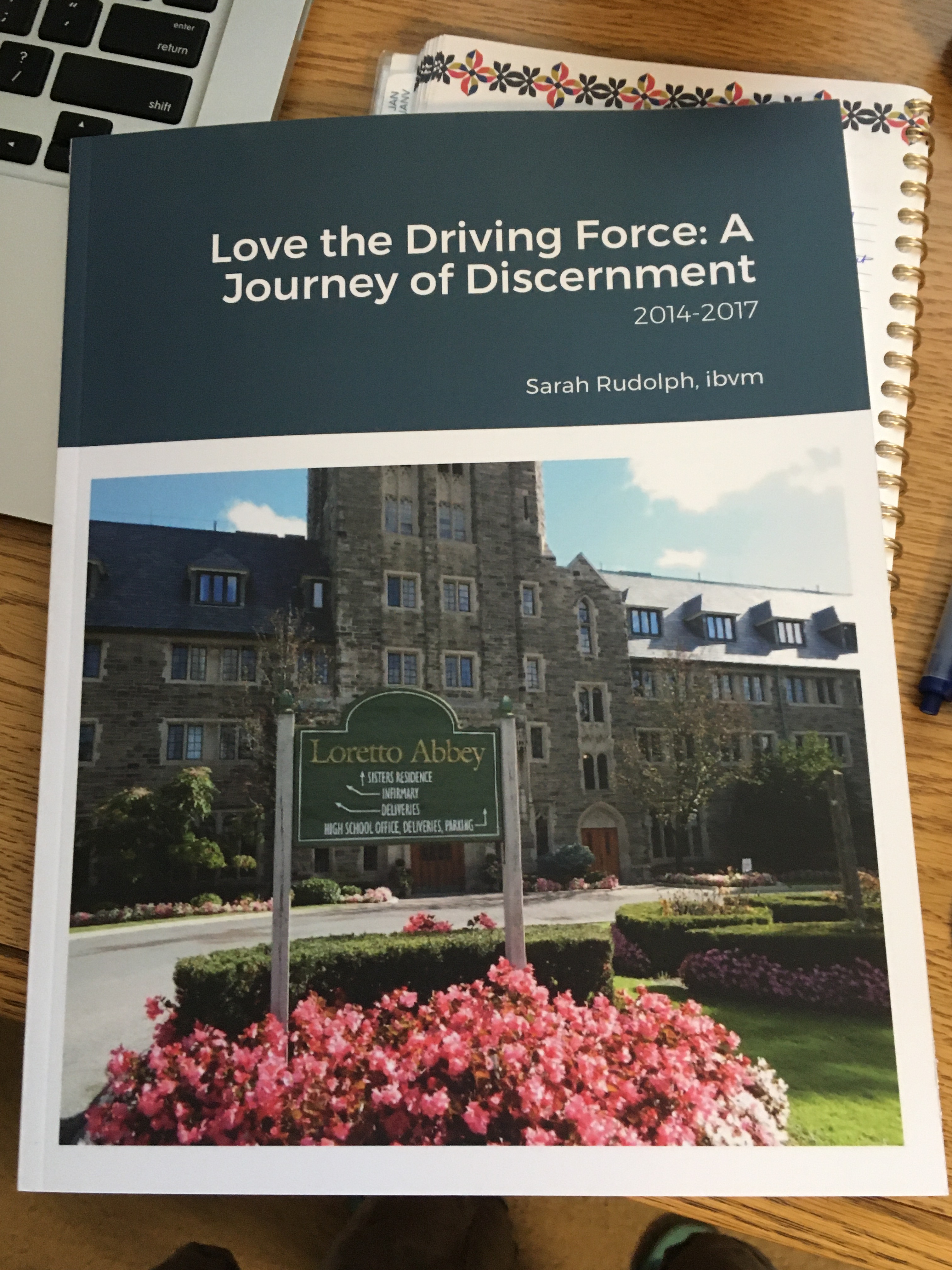
For one, I made a book! Not a professionally published book but a self-made book of a number of posts from this blog spanning my first three years with the congregation. It was a project that I had on my ‘To Do’ list for a long time and finally did it. I am really pleased with the result. It’s a lovely memento but also, I hope, I’ll be able to share it with women who are discerning a vocation to religious life. They might appreciate to hear one woman’s experience of discernment.

This month I’ve been in UN mode. Earlier in the year, I was named regional representative to our UN NGO – collaborating with our CJ and IBVM representatives at our NGO in New York – which I am delighted about and which has already been so much fun. I spent two weeks of July glued to my laptop, watching meetings of the High Level Political Forum, and participating in side events on financing for development, child abuse online, and climate change. Now I’m working with the NGO Working Group on Girls and contributing to planning for activities for the International Day of the Girl on October 11th. It’s energizing to be engaged in this work again.

I’ve also been working on research for a comprehensive paper that is part of my theology studies. I’ve been reading about children’s rights and religious freedom, the spiritual and religious development of the child, and ecclesial and sacramental engagement of children. There’s lots to explore and it has been fascinating to do some reading on these topics. I’m grateful to have the time to devote to it and to be able to explore interesting tangents and ideas.

The day after my birthday, I gave my first-ever homily/reflection as part of St. Basil’s parish online Gathering series. I really enjoyed the process of preparing the homily, and though I was nervous about the delivery, it went well, and perhaps I’ll have the opportunity to do something similar again in the future.

Finally, I’ve been re-visiting last year’s Mary Ward Summer School – reading Mary Ward’s letters again, and adding in some of St. Ignatius’ letters. I’m finding so much that inspires and consoles and challenges and, above all, so much that reminds me of what my vocation is all about and what has attracted me to it. This little extract has given me another way to look at this time of the pandemic:

I would wish you every well-being and prosperity imaginable that might help you in promoting the service and glory of God Our Lord. However, then I think that these illnesses and other temporal mishaps frequently come from the hand of God our Lord so that we have greater self-knowledge and a diminished love for created things, along with a deepened realization of the brevity of this life of ours. In that way we can equip ourselves for the next life which is to last for ever.
    ~ Ignatius of Loyola, Letter to Isabel Roser, 1532

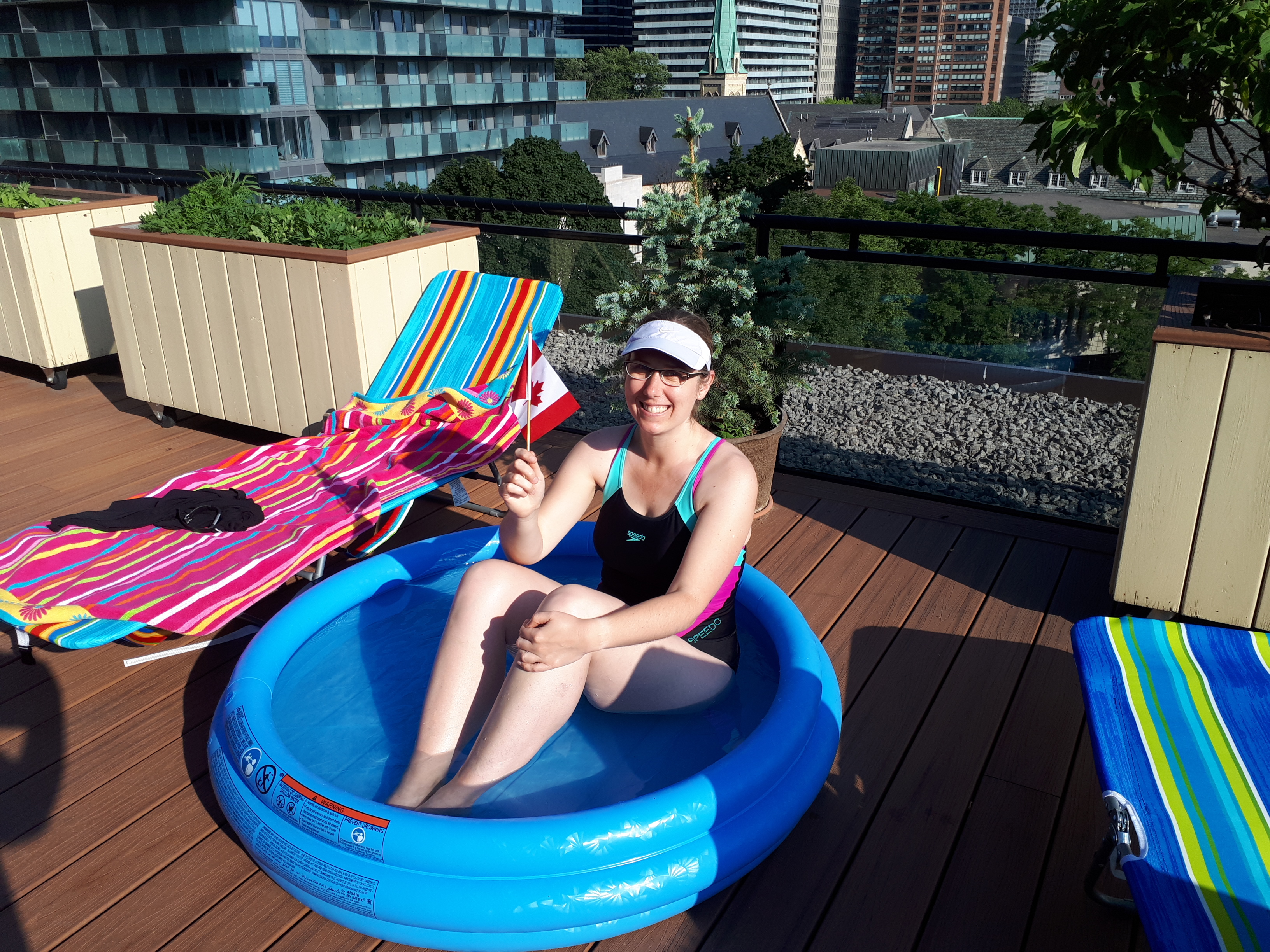
Of course, in between all of these projects, I’ve spent lots of time on the roof, enjoying the sun and an occasional dip in the pool, reading and relaxing on the lounge chairs (I need more Ted Chiang!), watching the new Babysitters Club series on Netflix (so good – somehow both nostalgic and modern – and brings back lots of memories of reading the BSC books), watching Singy Songy Sessions by the marvellously delightful Kate Rusby, and walking a virtual camino.

And now…I’m going on retreat! A very different experience this year to be sure – a Zoom retreat from my bedroom – but I have no doubt that this 4-day retreat with the “Under 55ish” group of religious across Canada will be just what is needed. Time to reflect and rest and give thanks for these 40 years.


30 years

Back in the 90s

This afternoon as I sat on our rooftop patio, enjoying the afternoon sun, my mind travelled back to 1990, to this day 30 years ago when my mom received a heart transplant. She was 36 years old. 

That day is a bit of a blur now but I remember pieces of it. No doubt each member of my family remembers something different. I was 9 years old and in grade four. The day before she would have her transplant, Mom and I had been at my softball game. Her pager went off. She went to find a payphone to call the hospital to see what the news was. She had been on the transplant list for several months by that time. We were living in Calgary but had spent several months the previous year living in Edmonton in anticipation of her surgery. During that time, her pager had gone off sporadically and she had called the hospital each time only to discover that it was a false alarm. But this time, she came back to tell me that she had to go. There was a heart available and she had to go to Edmonton right away. Being 9, I didn’t really think through the consequences of what she was saying and I told her I would prefer to stay at my softball game until it ended and then meet her back at home. 

I was lucky to see her before she left. When I arrived home a while later, my aunts and two of my mom’s closest friends were there. My aunt Jessica was going to accompany Mom to Edmonton on the plane that had been arranged for them. I arrived just in time to say goodbye to her as they hurried out the door. Mom later said that I had been so calm and brave but I think I was just oblivious because as soon as they left the house, I burst into tears. It wasn’t easy to sleep that night, wondering what was happening to her, waiting to hear news about the surgery. The next morning my brother and I stayed home from school, hoping for an update. When one hadn’t arrived by lunchtime, we both decided it would be better to be busy at school than sitting around at home, waiting. 

I remember sitting in the classroom during the afternoon recess (I was catching up on what I had missed in the morning) when the principal came in (a tall man I found intimidating and a bit scary) to say that he had just received a call from home and that my mom had come through the surgery and was in recovery. I was so relieved. I am sure we celebrated at dinner that night.

But it wasn’t the end of our waiting.

In 1990, organ transplants were fairly new and so recovery was quite different than it is now. Mom had to stay in Edmonton for three months, in the ICU for several weeks and then in an outpatient residence. My brother and I weren’t allowed to visit her while she was in the ICU. I remember the first time we made the trip to Edmonton we had to stand behind a glass partition and wave to her. It was heartbreaking for all of us. The only joy I had was exploring the University of Alberta Hospital with my cousin. We wandered along all of the hallways and discovered the vending machines on each floor, testing them to see if they would randomly yield their delights. Once, we were rewarded with a free root beer. 

In recovery at the University of Alberta Hospital

Finally, Mom was moved to a different floor of the hospital and we were able to go in and hug and kiss her. In a way, it was like meeting a stranger. Her face was puffy and red from the steroids she had to take and she had a long scar that ran from her breastbone down along her abdomen. I was fascinated by it. I think she was self-conscious of it later on because the scar only faded so much, but each time I saw it it made me happy. It was a sign of the new life she had been given, a gift for all of us. 

The outpatient residence

Mom eventually came home in August (and saved me from attending a day camp that would have had me riding my bike all over the city – no doubt it would have been good for me but I equated it with torture). It was like having a special guest come to stay. My brother and I were so happy to finally have her home. Each year on May 16th, we would celebrate the anniversary of her heart transplant. I would bring her flowers and it would be like a second Mother’s Day. Every year, even as a kid, I remember being so grateful that someone had offered their organs for transplant so that Mom could keep being my mom.  

At home with the new regime of medication

When she died on May 7, 2003, she was two weeks shy of her 50th birthday, and nine days shy of her 13th heart anniversary. I think of her often during the month of May, sometimes with sorrow on the day of her death, always with gratitude on the day of her heart transplant and with joy on her birthday. Her life, like all lives, unfolded as she did not expect but she met each challenge with courage, generosity, forgiveness, and love. 

Happy 30th anniversary, Mom. 

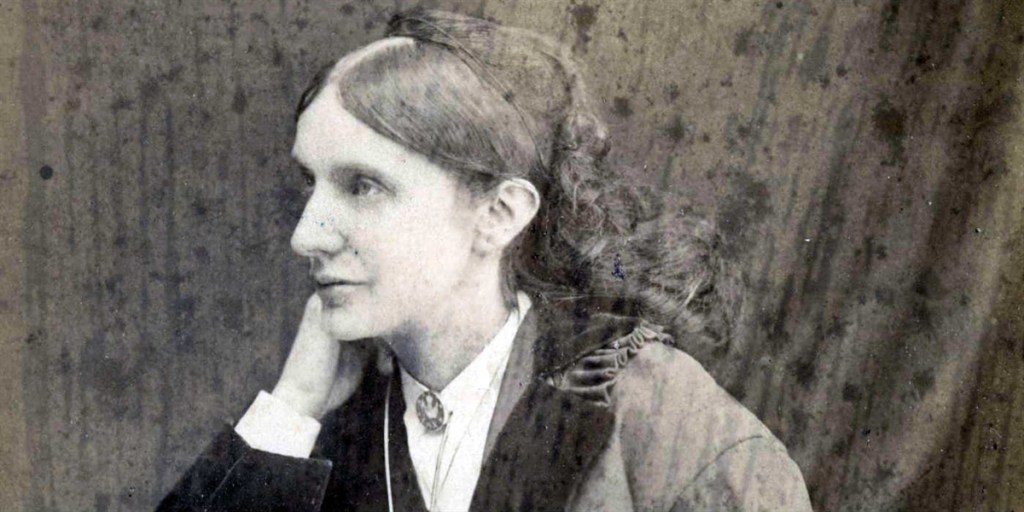
Josephine Butler

Image credit: The London School of Economics and Political Science

I’m working on a research paper for an Old Testament class, exploring the life and exegetical work of Josephine Butler (1828-1906), an Englishwoman and social reformer dedicated to women’s equality. The more that I read about her and by her, the more profoundly I am inspired by her character and her work.

Through her deep faith and prayer life, she grew to personally identify with marginalized women – the poor and destitute, prostitutes and women in prisons and workhouses – and dedicated her life to working for social change that would improve their lives.

I came across a passage in her memoir that beautifully describes her struggle with God as her vocation to advocate for others emerged.

For one long year of darkness the trouble of heart and brain urged me to lay all of this at the door of the God, whose name I had learned was Love. I dreaded Him – I fled from Him – until grace was given me to arrive and wrestle, as Jacob did, with the mysterious Presence, who must either slay or pronounce deliverance. And then the great questioning again went up from earth to heaven, “God! Who art Thou? Where art Thou? Why is it thus with the creatures of Thy hand?” I fought the battle alone, in deep recesses of the beautiful woods and pine forests around our home, or on some lonely hillside, among wild thyme and heather, a silent temple where the only sounds were the plaintive cry of the curlew, or the hum of a summer bee, or the distant bleating of sheep. For hours and days and weeks in these retreats I sought the answer to my soul’s trouble and the solution of its dark questioning. Looking back, it seems to me the end must have been defeat and death had not the Saviour imparted to the child wrestler something of the virtue of His own midnight agony, when in Gethsemane His sweat feel like great drops of blood to the ground.

It was not a speedy or an easy victory. Later the conflict was renewed, as there dawned upon me the realities of those earthly miseries which I had realized only in measure by intuition, but later still came the outward and active conflict, with, thanks be to God, the light and hope and guidance which He never denies to them who seek and ask and knock, and which became for them as ‘an anchor of the soul, sure and steadfast.’

Looking my Liberator in the face, can my friends wonder that I have taken my place, (I took it long ago) – oh! with what infinite contentment! – by the side of her, the ‘woman in the city which was a sinner,’ of whom He, her Liberator and mine, said, as He can also say of me, ‘this woman hath not ceased to kiss my feet.’”

Josephine Butler, Josephine E. Butler: An Autobiographical Memoir

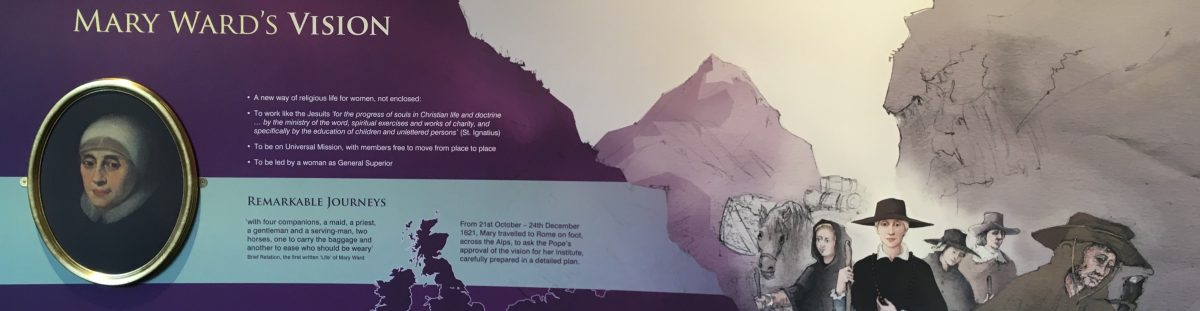
Her passion and commitment to the sufferings of women reminds me, of course, of the passion and commitment of Mary Ward, another strong and faithful Englishwomen. I look forward to continuing my study of Josephine Butler and undoubtedly I will have more to share here.

Malcolm Guite

Blog for poet and singer-songwriter Malcolm Guite

Institute of the Blessed Virgin Mary - Canadian Province

Chronicling my formation with the Loretto Sisters (IBVM)

igNation

Chronicling my formation with the Loretto Sisters (IBVM)

ibvm.org

Chronicling my formation with the Loretto Sisters (IBVM)

OLD HEATHER KING

Chronicling my formation with the Loretto Sisters (IBVM)

Book Snob

FOR DISCERNING READERS

Doctor Who Feed

Chronicling my formation with the Loretto Sisters (IBVM)

Quantum Theology

Chronicling my formation with the Loretto Sisters (IBVM)

Ignatian Spirituality

Chronicling my formation with the Loretto Sisters (IBVM)

A Nun's Life

Catholic Sisters and Nuns in Today's World

The Jesuit Post

Young Jesuits seeking God in all things.